
Capture Runoff for Outdoor Watering Needs
Rain Barrels & Rainwater Harvesting in Phoenix for Properties Managing Monsoon Runoff and Reducing Landscape Irrigation Costs
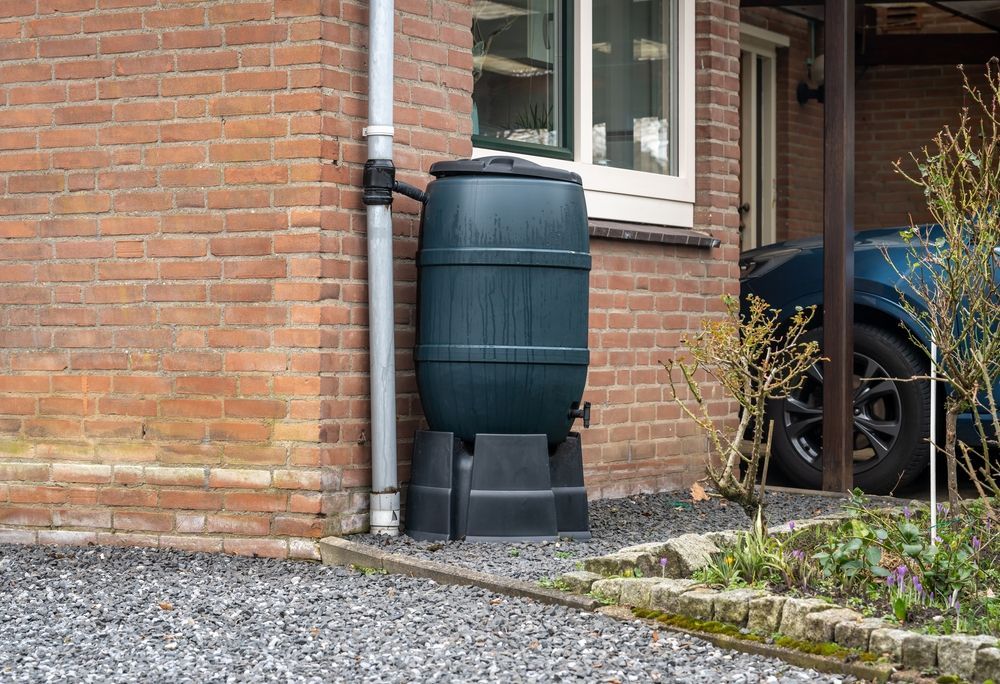
Monsoon storms deliver intense rainfall that overwhelms drainage systems and disappears as runoff within minutes, yet that same water could irrigate gardens and trees during dry months. Rain barrels connect directly to downspouts to capture roof runoff for later outdoor use, supporting landscape and garden watering in Arizona's arid climate where municipal water costs rise during summer demand peaks. MNM Gutters LLC installs secure barrel connections, routes controlled overflow away from foundations, and adds pest-resistant mesh tops that prevent debris accumulation and insect breeding inside stored water.
Each installation begins with evaluating downspout placement and selecting barrel locations that provide gravity-fed access to planting beds or hose connection points. Barrels are positioned on stable platforms to maintain spigot height above ground level, and overflow tubes direct excess water to existing drainage paths rather than allowing spills near foundation edges. Mesh screens cover top openings to block leaves, roof granules, and mosquitoes while allowing water entry during storm events.
Schedule a consultation to review downspout locations, barrel sizing, and overflow routing that aligns with your property's drainage plan.
How Harvesting Systems Address Runoff Management
Capturing even a portion of monsoon runoff reduces the volume that saturates soil near structures and helps stretch municipal water supplies during extended dry periods between storm cycles. A typical Phoenix home with fifteen hundred square feet of roof area can collect over nine hundred gallons from a single inch of rainfall, though standard residential barrels hold fifty to one hundred gallons and require overflow routing to handle volume beyond storage capacity.
After installation, you notice stored water available for hand-watering vegetable gardens, filling drip irrigation systems, or soaking newly planted trees that need supplemental moisture. Barrels empty gradually between rain events, creating capacity for the next storm while reducing reliance on treated municipal water for outdoor tasks. Secure connections prevent leaks at downspout junctions, and pest-resistant tops eliminate standing water concerns that attract insects or allow algae growth inside barrels.
Harvesting systems work best when integrated with overall property drainage rather than installed as isolated features. Overflow tubes must discharge to areas that handle additional volume without creating new erosion or foundation moisture problems. Properties with multiple downspouts can install barrels at strategic locations to maximize capture while maintaining safe overflow paths during intense storms that exceed storage limits.
Questions Before Starting Your Project
Arizona homeowners considering rainwater capture ask about capacity, maintenance, and how systems integrate with existing gutters.
How much water can be captured during monsoon season?
Roof size and storm intensity determine volume, with one inch of rain on one thousand square feet of roof yielding approximately six hundred gallons, though individual barrels hold much less and require overflow routing.
What happens when barrels fill during heavy storms?
Overflow tubes direct excess water to safe discharge areas such as gravel beds or existing drainage paths, preventing spills near foundations while still capturing the barrel's full capacity at the start of each event.
Why are mesh tops necessary in Phoenix?
Open barrels become breeding sites for mosquitoes and collect roof debris that fouls stored water, while mesh screens block entry of insects and organic material without restricting water flow during rainfall.
Can harvested water be used for all outdoor purposes?
Stored runoff suits landscape irrigation and garden watering but should not be used for drinking, cooking, or indoor applications without filtration and treatment beyond what basic barrel systems provide.
How are barrels connected to downspouts?
Diverters attach to existing downspout runs and redirect flow into barrel openings, with some designs allowing seasonal disconnection so barrels can be removed during winter months when irrigation needs decline.
MNM Gutters LLC assesses downspout placement, barrel location options, and overflow routing to design harvesting systems that capture runoff without compromising existing drainage performance. Arrange an evaluation to determine barrel sizing and positioning that supports your outdoor watering needs.